Hexin

SHIELDING CAN SURFACE FINISH GUIDE

Surface Plating for Shielding Cans

Learn how surface plating affects solderability, corrosion resistance, electrical contact, appearance, and production stability for EMI shielding cans.

Introduction

Surface plating plays an important role in the performance and reliability of shielding cans. Although shielding cans are primarily designed to reduce electromagnetic interference, their surface condition can directly affect solderability, corrosion resistance, appearance consistency, and long-term durability.

In many EMI shielding projects, the choice of plating is not only a material decision but also a process decision. Different plating options may influence assembly performance, contact reliability, environmental resistance, product appearance, and overall production cost.

Why Surface Plating Is Important

Shielding cans are often used in telecom equipment, automotive electronics, industrial control systems, medical devices, and consumer electronics. In these products, shielding cans may need to provide stable solderability, reliable electrical contact, resistance to corrosion, consistent surface quality, and good appearance after production.

Main Functions of Surface Plating

  • Improve solderability
  • Improve corrosion resistance
  • Improve electrical contact
  • Improve appearance
  • Support process stability

Common Surface Plating Options for Shielding Cans

Several plating options are commonly used in shielding can production, depending on material type and product requirements.

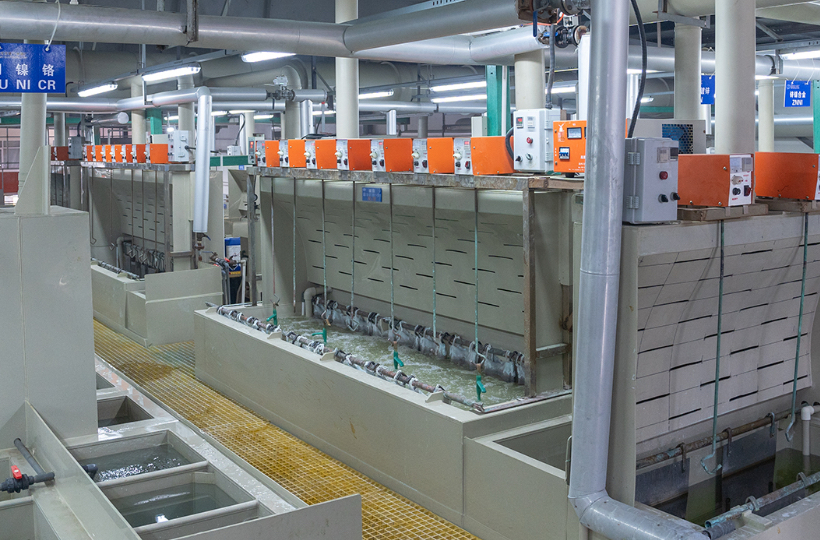
Surface Finishing & Plating

1. Tin Plating

Tin plating is one of the most common surface finishes for shielding cans because it offers good solderability, cost efficiency, and wide use in electronics. It is often used for PCB shielding covers, shielding frames, general-purpose EMI shielding parts, and mass production projects where solderability is important.

2. Nickel Plating

Nickel plating is used when improved corrosion resistance, appearance, or surface hardness is needed. It may be selected for products with higher appearance requirements or where contact stability matters.

3. Silver Plating

Silver plating offers excellent conductivity and strong electrical contact performance. It may be used in higher-end RF shielding projects or specialized EMI applications where electrical performance is especially important.

4. Gold Plating

Gold plating is typically used in specialized applications where high corrosion resistance and stable contact performance are required. It is more common in medical devices, precision signal-related products, and other high-end electronic applications.

When No Additional Plating Is Needed

In some shielding can projects, no additional surface plating is required. For example, nickel silver is often used directly because it already offers good corrosion resistance, stable conductivity, good solderability, and suitable appearance.

Whether plating is needed depends on product application, environmental conditions, assembly method, customer specification, and cost target.

How Surface Plating Affects Performance

  • Soldering performance
  • Long-term reliability
  • Contact stability
  • Manufacturing yield

A suitable surface finish can improve solder wetting, corrosion resistance, grounding continuity, and process stability during assembly.

Choosing the Right Plating for Shielding Cans

Selecting the right plating depends on several factors, including base material, soldering requirement, environmental condition, electrical requirement, and cost target.

The best plating choice should balance performance requirement and manufacturability.

Typical Plating Process

  1. Cleaning
  2. Surface preparation
  3. Plating or coating
  4. Rinsing and drying
  5. Thickness and appearance inspection
  6. Packaging

Quality Control for Surface Plating

Inspection and quality control are important after plating. Typical checks may include appearance inspection, plating thickness check, adhesion verification, solderability test, and corrosion resistance test if required.

A stable plating process helps ensure that the shielding cans can perform well in mass production and final application.

How Hexin Supports Surface Plating for Shielding Cans

At Hexin, surface plating for shielding cans is selected based on product application, material type, assembly method, and customer requirements.

We can support tin plating, nickel plating, silver plating, gold plating, base material evaluation, and plating recommendation based on solderability and corrosion requirements.

What We Help Evaluate

  • Base material selection
  • Plating type
  • Solderability requirement
  • Corrosion resistance target
  • Production feasibility
Surface Plating for Shielding Cans

Need Help Choosing the Right Surface Finish?

Send us your drawing or requirement. We can help evaluate base material, plating type, solderability needs, corrosion resistance target, and production feasibility for your shielding can project.

PCB Shielding

EMI shielding cans for PCB-level noise protection, available in custom sizes and structures.

Spring Contact

Precision spring contacts for grounding, signal transmission, and PCB electrical connection..

SMT Shield Clips

Reliable SMT grounding and removable cover solutions for board-level shielding applications.

Custom Metal Parts

Custom precision stamped metal parts for electronics, connectors, terminals, and assemblies.